A comprehensive technical guide to botanical taxonomy, coumarin toxicology, traditional harvesting in Puhulwella, Matara, and international quality standards.
True cinnamon is botanically classified as Cinnamomum zeylanicum Blume (synonym Cinnamomum verum J. Presl), belonging to the family Lauraceae. Indigenous solely to the central and southern tropical lowlands of Sri Lanka (formerly Ceylon), this evergreen tree is globally revered for producing the world’s most nuanced, aromatic, and medically benign spice.
Scientific Name
Cinnamomum zeylanicum Blume / Cinnamomum verum
Family & Genus
Lauraceae (Laurel Family) · Cinnamomum Genus
Endemic Native Region
Southern Province of Sri Lanka (Matara, Puhulwella District)
Active Volatiles
Cinnamaldehyde (65–75% in bark), Eugenol (up to 85% in leaves), Linalool, Caryophyllene
Indigenous Botanical Species
02 · Critical Differentiation
True Ceylon Cinnamon vs. Ordinary Cassia
Over 90% of supermarket "cinnamon" sold in North America and Europe is not true cinnamon at all, but rather cheaper bark from the Cassia family (Cinnamomum cassia, Cinnamomum burmannii, or Cinnamomum loureiroi). The distinctions between authentic Ceylon Cinnamon and Cassia have profound health, sensory, and culinary consequences.
Coumarin Toxicology: Why Daily Users Must Choose Ceylon
Coumarin is a naturally occurring chemical compound found in high concentrations in Cassia bark. Peer-reviewed pharmacological studies establish that high coumarin intake induces severe hepatotoxicity (liver damage) and nephrotoxicity (kidney stress) in humans.
European Food Safety Authority (EFSA) Guidelines:
The EFSA has established a Tolerable Daily Intake (TDI) of 0.1 mg coumarin per kilogram of body weight. Just one teaspoon of conventional Cassia powder can exceed the safe threshold for a child or health-conscious adult.
In contrast, CinnAbey Pure Ceylon Cinnamon contains virtually undetectable traces of coumarin (below 0.004%). It can be safely incorporated into daily morning coffee, oatmeal, smoothies, and diabetic wellness regimens without toxicity risks.
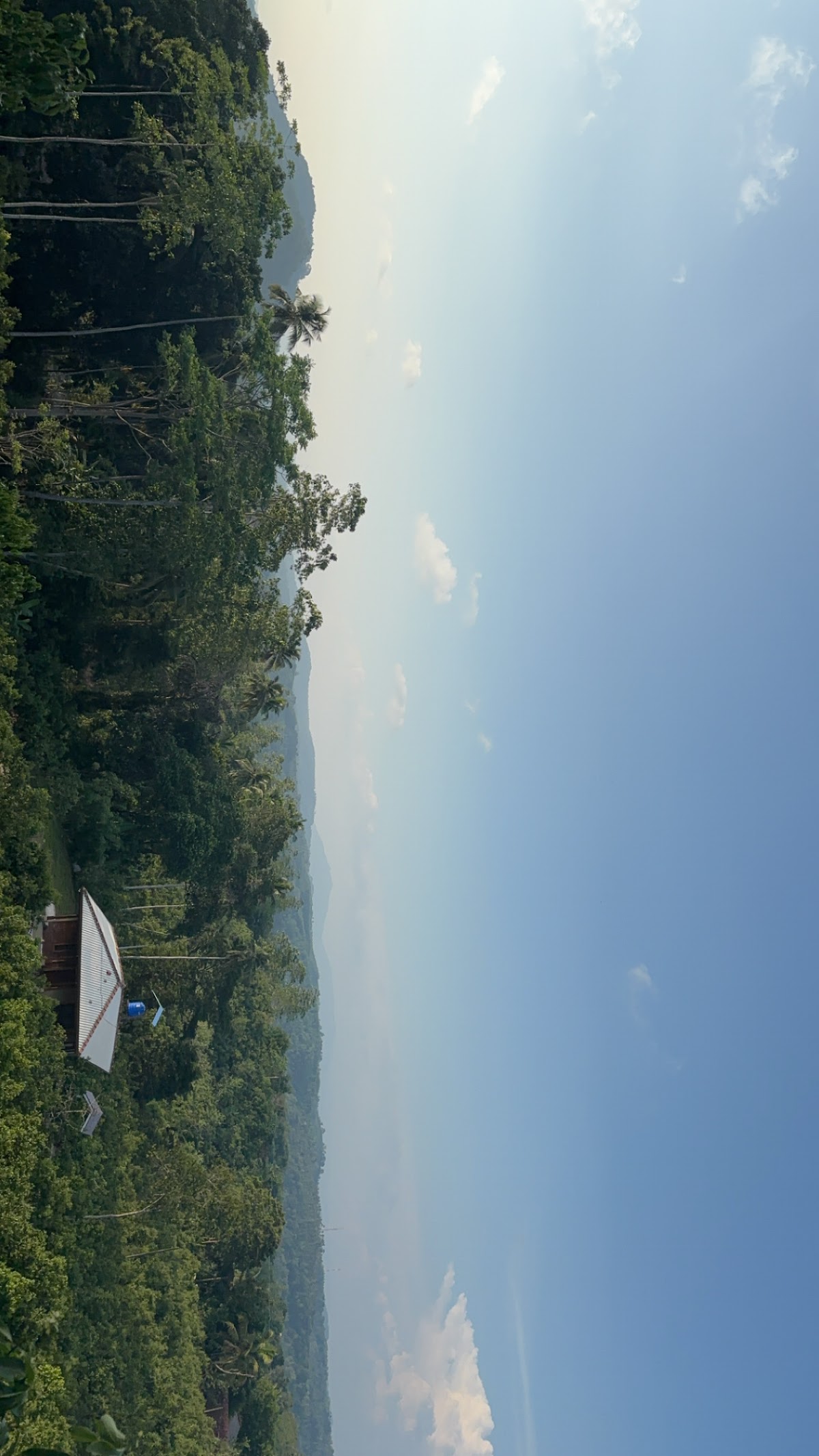
Just as French wine draws its distinction from terroir, Ceylon Cinnamon derives its delicate sweetness and golden amber hue from the soil and microclimate of Southern Sri Lanka. CinnAbey’s ancestral plantation in Millagaha-Hena, Wathukolakanda, Puhulwella benefits from:
Lateritic Red-Yellow Podzolic Soil
Rich in minerals, perfectly draining, ensuring concentrated bark essential oils.
Dual Monsoon Rainfall
Abundant rainfall (2000–2500 mm annually) followed by dry tropical sun for natural air-drying.
Traditional Peeling Mastery
Master peelers gently scrape the rough outer cork, massage the inner bark with pure brass rods, and roll paper-thin concentric quills.
25+ Families Sustained
Direct community empowerment providing fair living wages, generational employment, and zero child labor.
Official Sri Lanka Standards (SLS 81:2000) Export Grades
The Sri Lanka Standards Institution (SLSI) classifies pure Ceylon Cinnamon into rigorous quality tiers based on quill diameter, colour, foxing, and aroma:
Alba Grade (Pencil Grade): The highest and most precious classification. Diameter < 6mm. Delicate, tightly layered, and exquisitely aromatic.
Continental (C5 Special, C5, C4): Exceptional export grade. Diameter 10–16mm. Uniform golden-tan color and smooth concentric layers.
Mexican (M5, M4): Thicker quills (diameter 16–19mm) sought-after for Latin American hot beverages and savory dishes.
Hamburg (H1, H2, H3): Robust quills suitable for commercial extraction, essential oil distillation, and high-potency spice blends.
Quillings & Featherings: Broken quill pieces and inner bark offcuts used for grinding into 100% pure Ceylon Cinnamon powder.
How can I verify if my cinnamon is real Ceylon Cinnamon?
Examine the quill end: true Ceylon cinnamon resembles a fine rolled cigar with multiple paper-thin parchment layers. It is soft enough to break between your thumb and index finger. Ordinary cassia is a thick, rock-hard single curve that cannot be crushed by hand.
What are the primary health benefits of pure Ceylon Cinnamon?
Pure Ceylon Cinnamon is loaded with polyphenol antioxidants (ORAC value over 131,000 µmol TE/100g). Clinical research indicates it supports healthy insulin sensitivity, helps balance blood sugar levels, reduces systemic inflammation, and exhibits natural antimicrobial properties.
Does CinnAbey supply international commercial orders and export shipments?
Yes. We supply bulk containers, custom weight packaging (50g, 100g, 500g, 1kg, 25kg bales), and private label orders for retailers, tea blenders, wellness brands, and food manufacturers worldwide. Inquiries can be submitted via our Contact Page or by emailing hello@cinnabey.com.
Taste Authentic Ceylon Heritage
Grown, harvested, and packed directly on our Puhulwella plantation. Zero middlemen, zero cassia adulteration, and 100% single-estate purity guaranteed.